
NEXT ARTICLE
Consumers are trying to make more conscious decisions about what they eat, and they’re relying on front-of-label claims to do so. Whether it’s “all natural,” “no artificial preservatives,” or “100% natural flavors,” these statements carry real weight.
But these claims don’t always match what’s actually in the product.
That disconnect is driving a growing wave of litigation, and creating a meaningful opportunity for plaintiffs’ attorneys. The challenge is that this is not a static area of law, and the claims are often nuanced.
No Preservatives” Claims and the Rise of Citric Acid Cases
If there’s one trend defining food mislabeling litigation today, it’s the surge in cases tied to “no preservatives” claims, especially those involving citric acid and similar ingredients. Cases involving citric acid and “no preservatives” claims account for a huge percentage of the litigation activity in this space, making it one of the most important areas for plaintiffs’ attorneys to focus on today.
These ingredients, including citric acid, ascorbic acid, lactic acid, and phosphates, are often used to extend shelf life or prevent spoilage. In other words, they function as preservatives. But they frequently appear in products labeled as having “no preservatives” or “no artificial preservatives.”
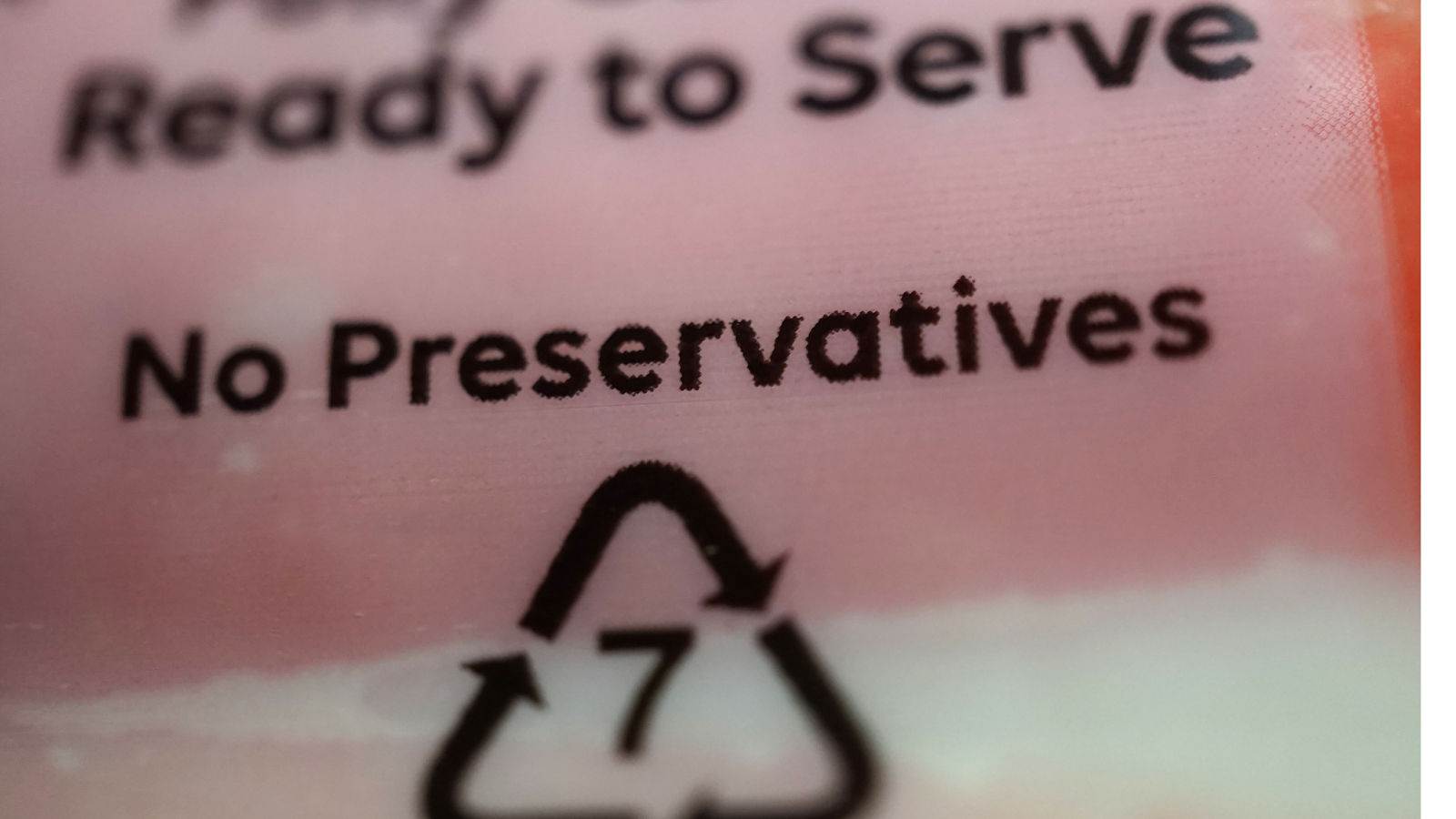
Recent cases highlight how these claims are being tested in court. For example In Hayes v. Kraft Heinz, plaintiffs challenged a mac and cheese product labeled “no artificial preservatives” despite containing citric acid and sodium phosphate. The argument was that these ingredients were synthetically processed and functioned as preservatives. Notably, the case survived a motion to dismiss and is ongoing - an important signal for similar claims.
Other cases, with different nuances, are pushing the boundaries even further. In Palmer v. Coca-Cola, the claim at issue is “100% natural flavors,” applied to products containing ingredients like citric acid and sodium citrate. Coca-Cola’s defense hinges on the idea that these ingredients function as preservatives, not flavors - and therefore don’t make the claim misleading. The case is still pending, but it underscores how intricate these disputes have become.
What’s clear is that small differences in wording—“no preservatives” versus “no artificial preservatives” versus “100% natural flavors”—can lead to very different legal outcomes. For plaintiffs’ attorneys, understanding these nuances is critical.
Strong Cases Require Strong Data
While the opportunity in this space is clear, identifying and building strong cases is not straightforward.
Food companies are constantly changing their labels. They tweak language, add qualifiers, and introduce vague claims designed to reduce legal risk without fundamentally changing the product.
Building a viable food mislabeling case requires more than spotting a questionable label. It requires understanding patterns across the market: which claims are being used, how ingredients function, how courts are responding, and how widespread a potential violation is.
And this is where data becomes essential.
.png)
At Darrow, we approach this as a data problem. We start by analyzing litigation trends to identify recurring claim-and-ingredient combinations, like the now-prevalent citric acid “no preservatives” cases. These patterns are then evaluated based on outcomes: how often they’re litigated, whether they survive motions to dismiss, and whether they lead to settlements.
From there, we map those patterns onto real-world product data. By scanning hundreds of thousands of product labels, we can identify where these potentially misleading claims are appearing across the market. We also track how labels change over time—capturing both current and historical versions—to understand how long a violation has been in place and how it has evolved.
Additional layers of data, like manufacturer information and product sales, help quantify the potential scale and impact of a case.
Without this kind of infrastructure, finding and building these cases is largely manual, and increasingly impractical in a space that moves this quickly. With it, attorneys can move from reactive case discovery to proactively identifying high-value opportunities.
When Regulation Shifts, Litigation Follows
Regulatory activity is another key force shaping food mislabeling litigation.
The FDA frequently issues guidance or exercises enforcement discretion on labeling issues. For example, the FDA recently issued a warning letter around artificial color claims, outlining how companies can approach certain front-of-label statements. These types of communications tend to influence how brands adjust their labeling in the months that follow, and further down the line legal action around how these labels are interpreted.
We’ve seen this pattern before. Past FDA guidance, like the one addressing “no added sugar” claims, led to a wave of new product labeling, which was then followed by litigation testing how those claims were understood by consumers.
We expect a similar trajectory here. As companies update their labels in response to the artificial color guidance, litigation is likely to follow, focusing on how these new or reformulated claims are perceived in practice.
