
NEXT ARTICLE
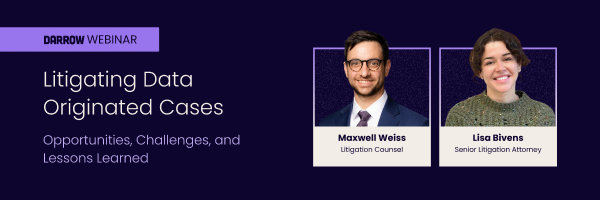
More and more, cases don’t originate from a single story or intake call. They begin with data; patterns, anomalies, and signals that reveal harm as it emerges.
Today, legal intelligence can continuously monitor what’s happening online and beyond, surfacing patterns of misconduct in real time. Instead of waiting for harm to be reported, legal intelligence systems can detect it as it unfolds - identifying systemic issues that would otherwise remain hidden.
This shift doesn’t just change how cases are found. It expands who gets access to justice. And equally importantly, it changes how those cases are litigated from start to finish..
You Don’t Need to Wait For Discovery
In traditional litigation, discovery is often where the truth finally comes into focus. It’s how you uncover what the defendant knew, how their systems function, and the scale of the injury. Most cases begin with questions, not answers.
But when a case originates from data, you’re not starting in the dark.
You walk in already understanding how the harm occurred. You’ve seen the patterns. You’ve analyzed the system at scale. In many instances, you’re holding the kind of evidence that would typically take months or years to uncover.
That shift matters because it changes the way plaintiffs’ attorneys can approach cases. Attorneys are able to take on cases with far greater confidence, grounded in evidence from the outset rather than uncertainty. You’re not investing time and resources to find out whether a case exists - you already know it does.
It also means less time spent waiting for answers to emerge through discovery. Instead of building toward the truth, you’re starting from it - using discovery to strengthen and validate what’s already clear.
Data-Originated Cases in Practice
This approach is already reshaping how plaintiffs’ attorneys pursue justice across a range of practice areas.
In privacy, systems can directly analyze how software behaves, sometimes even down to the code or network level. That allows unlawful data collection and tracking practices to be identified before a complaint is filed, protecting individuals whose personal information is being exploited without their knowledge.
In consumer protection, algorithms can be monitored at scale. Pricing, product rankings, and representations across thousands of interactions can be tracked, turning what might feel like isolated unfairness into a clear picture of systemic misconduct affecting countless consumers.
And in environmental litigation, data - from satellite imagery to sensor networks - gives a real-time, independent view of environmental harm. Communities don’t have to rely solely on what companies disclose; the impact can be seen directly, and attorneys can act faster to protect those affected.
Across all of these areas, the common thread is simple: the facts are no longer out of reach. The evidence exists outside the defendant’s control, and it’s accessible from the very beginning.
That changes not just how cases are built - but how they’re litigated in practice.
Practical lessons from litigating these cases
The difference between data-originated cases and traditional litigation becomes clear as soon as a case is filed - and it creates real, practical advantages.
First, the balance between information and instinct shifts. Instinct remains critical, but it’s no longer carrying so much weight. Each decision is grounded in evidence from the outset. Instead of sensing that something is wrong, you can see it clearly - and act with confidence.
Second, reliance on the defendant for evidence is significantly reduced. Discovery is no longer the gatekeeper to understanding the case. It becomes a tool for validation, not a prerequisite for action. That independence allows for faster progress - and more importantly, stronger advocacy for people who might otherwise never have a voice in the process.
Finally, settlement posture changes. Entering a case with a data-backed understanding of the harm shifts the dynamic early. The core narrative is already established and supported by evidence, rather than dependent on what the defendant may produce. That position creates earlier and more meaningful opportunities to secure outcomes for those affected.
Turning Data into Justice
For plaintiffs’ attorneys, this is more than a new way of building cases. It’s a way of closing the justice gap.
Data-originated cases bring hidden harm to light, make it possible to represent individuals who might never come forward, and help plaintiffs’ attorneys and their clients hold powerful actors accountable for their wrongdoing at scale.
